
Blue-winged Teal in Loja, Ecuador – Migratory Duck in an Urban Lagoon
A migratory duck using a very small urban lagoon.
The Blue-winged Teal is one of the smallest migratory ducks of the Americas and among the earliest waterfowl to migrate south each year. It breeds across North America and travels thousands of kilometers to wintering areas extending into tropical and subtropical South America.
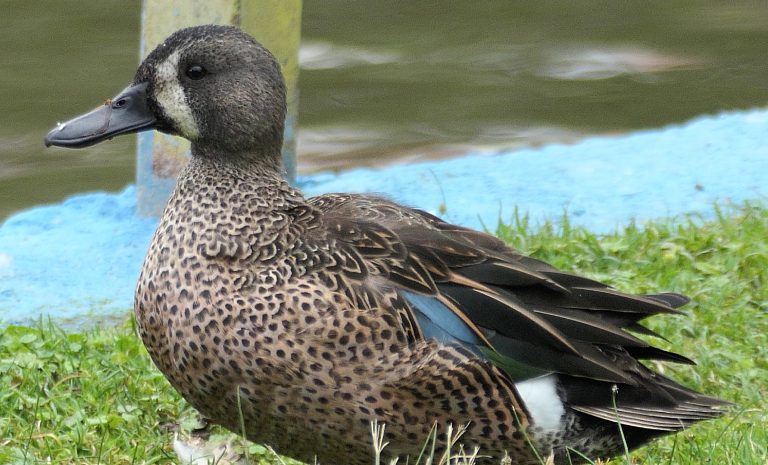
In the city of Loja, southern Ecuador, a male was recently recorded at the lagoon of Jipiro Recreational Park. This site is not a natural wetland nor a large water body — it is a small artificial lagoon located inside a highly visited urban park. Previously, females had been observed in nearby wetlands of Carigán, but this individual represents a clear observation of a male using a tiny urban water body as seasonal habitat.
IDENTIFICATION:
- The male Blue-winged Teal is distinctive:
Bold white crescent in front of the eye
Pale blue forewing patch visible in flight
Finely spotted brown body
Small dark bill typical of dabbling ducks
Females are cryptic and easily overlooked, suggesting the species may pass through the region more often than documented.


Migration and andean records
This species leaves North America very early in the season, sometimes beginning migration in late August. Many individuals reach tropical latitudes well before other migratory ducks.
Records in southern Ecuador remain scarce and irregular. The presence of a bird using a tiny urban lagoon suggests that migrants moving along Andean valleys may depend on any available water source, even those created for recreation.
Based on regular visits to the site, the male was not present during previous checks and was first detected during the second week of February, suggesting a recent arrival to the lagoon.
ECOLOGICAL IMPORTANCE OF SMALL URBAN WATER BODIES
Despite its minimal size, the lagoon offers:
Shallow feeding margins
Aquatic insects and invertebrates
Resting area free from hunting pressure
For migratory birds crossing long distances, small water bodies can function as critical temporary refuges. This observation highlights how even very small urban habitats can support hemispheric migration systems.
Seasonal Visitor
The bird will likely remain only briefly before continuing movements within South America or preparing for northbound migration.
Even a small city lagoon can momentarily connect Loja with the wetlands of North America — illustrating the global scale of bird migration.
whatsapp: +593981286507
5932 – 2582434
avearatinga@yahoo.es
info@exploraves.com