
Birdwatching Tours in Southern Ecuador – Complete Guide for Birders
Key Birding Areas in Southern Ecuador
Southern Ecuador is one of the most diverse and rewarding birding destinations in South America. From Tumbesian dry forests on the Pacific coast to the cloud forests and Amazonian foothills near the Cordillera del Cóndor, this region offers a unique mix of habitats and a remarkable list of endemic and range-restricted species.
Whether you are planning a dedicated birding trip or simply want to include some birdwatching during your travels, this short guide highlights the top birding areas and the species you can expect to encounter.
Santa Rosa & Coastal Wetlands
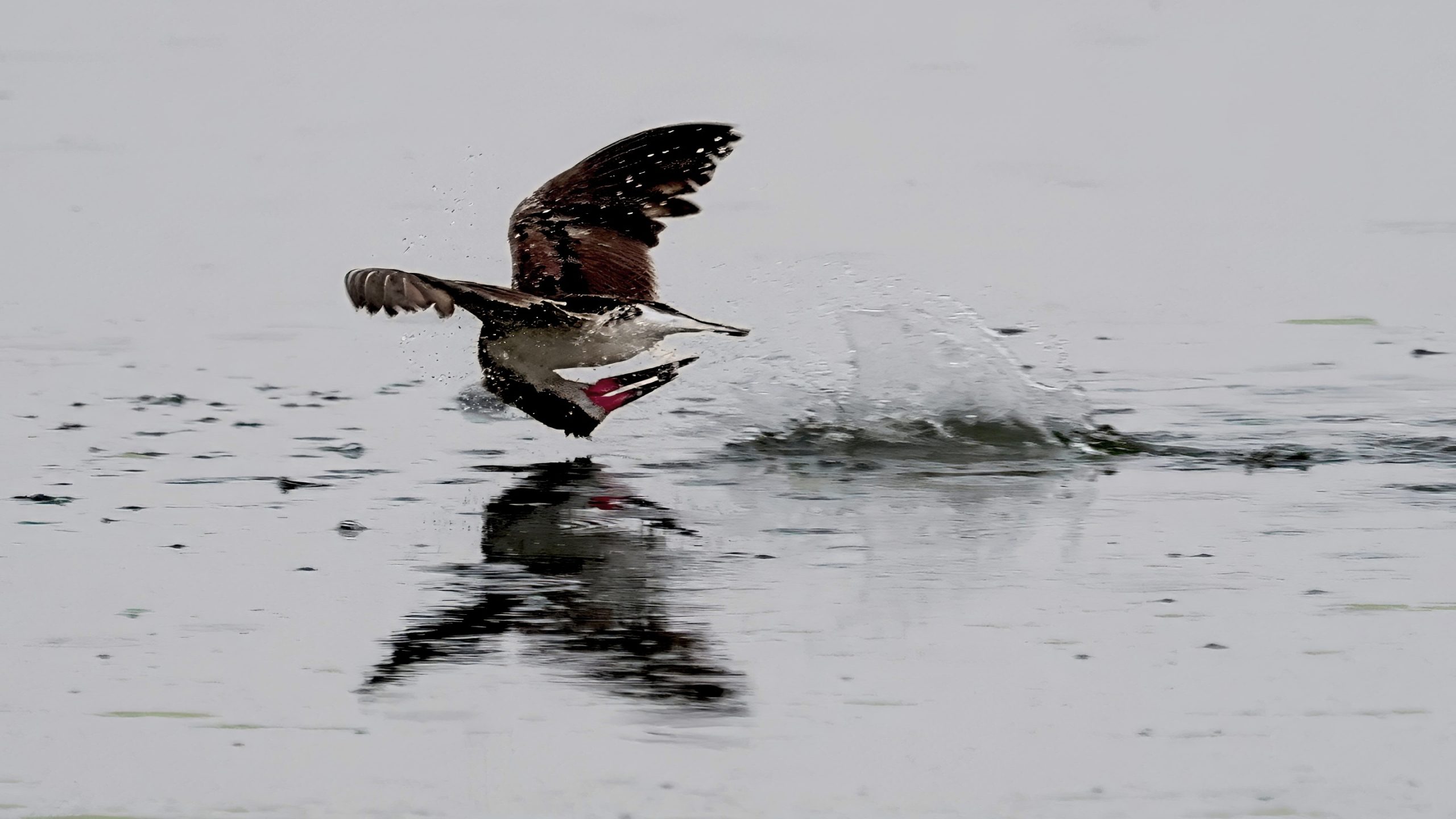
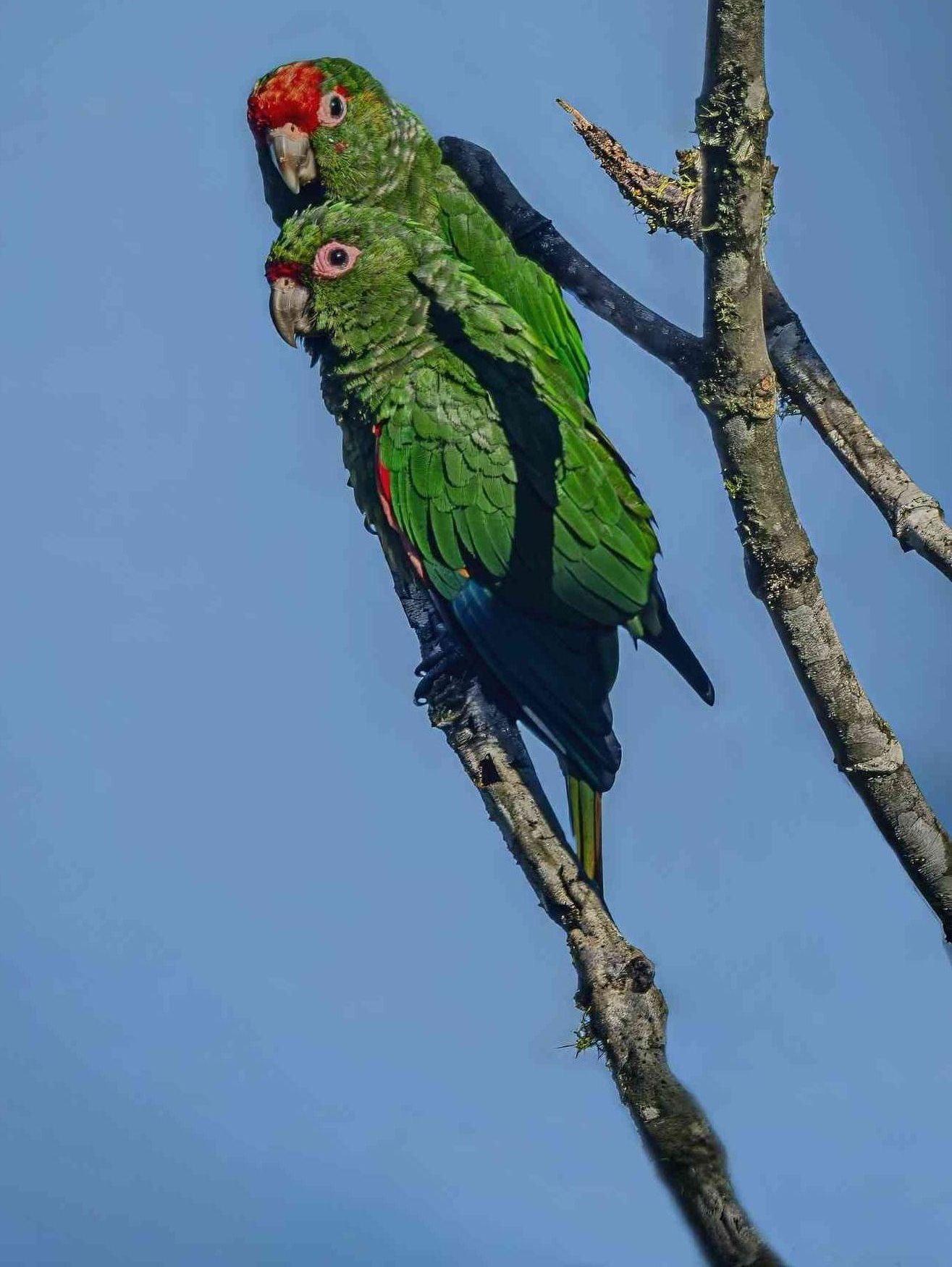
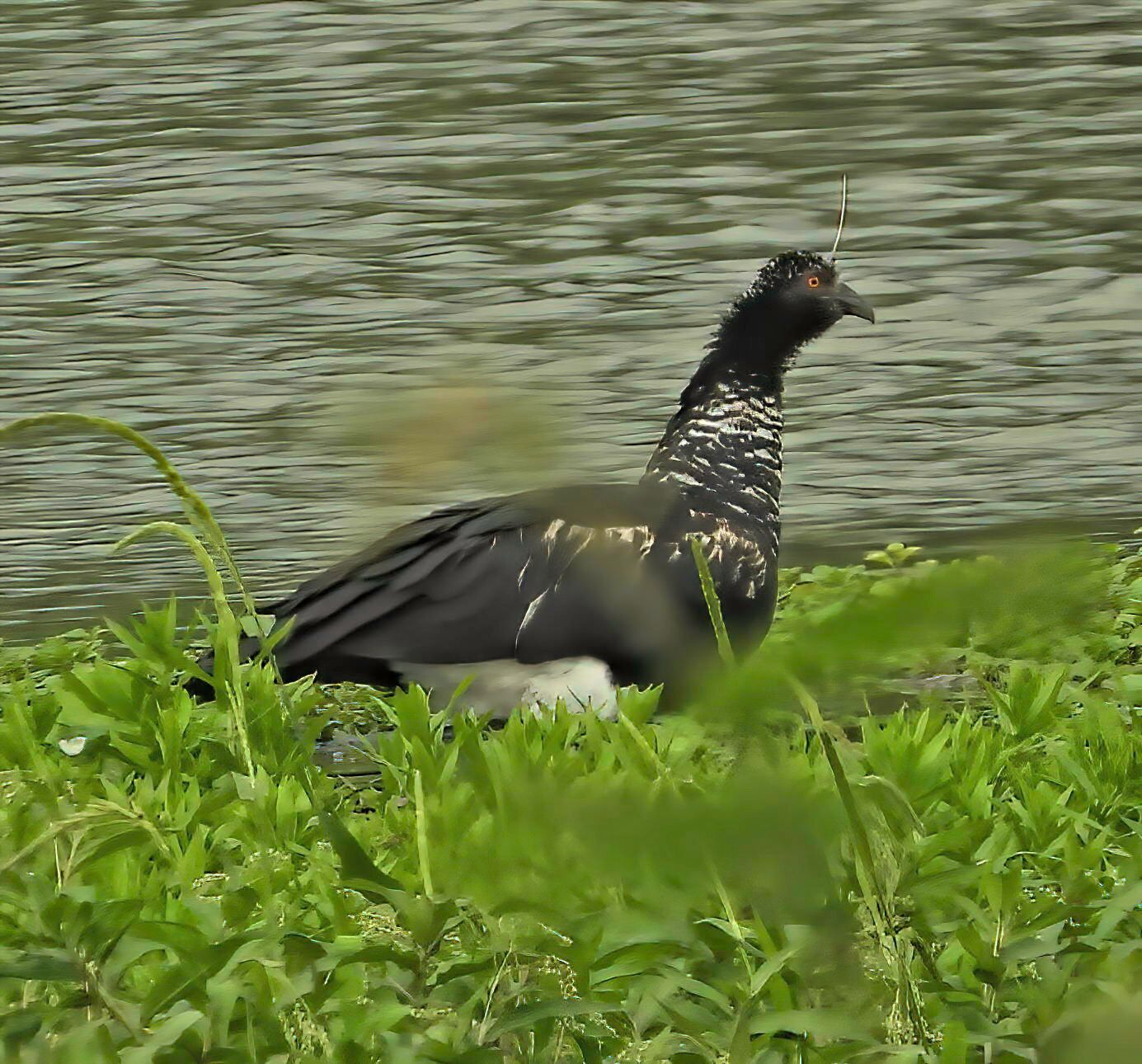
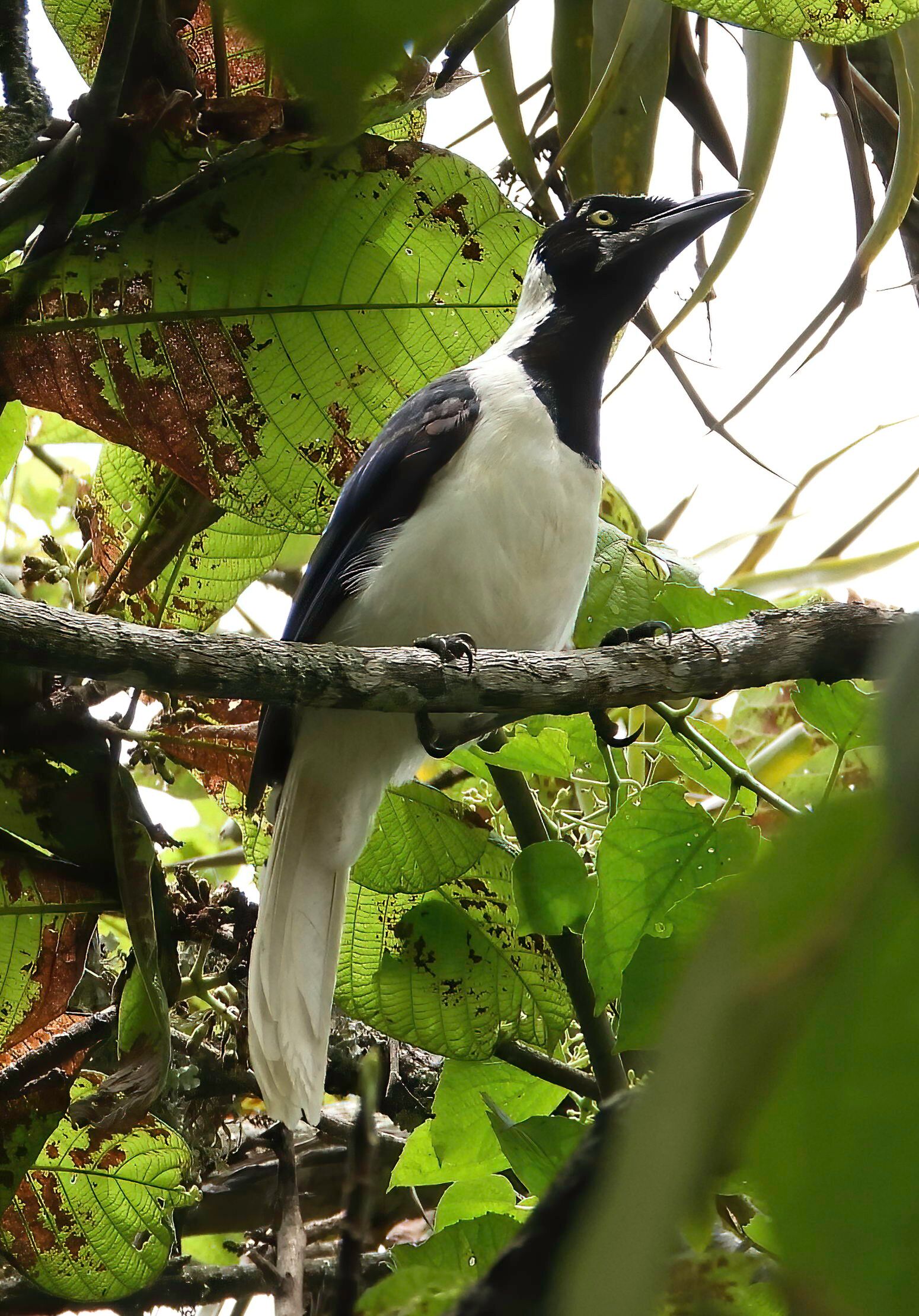
The Santa Rosa region, including Puerto Jelí and Hualtaco, is excellent for shorebirds, herons, and migratory species. The nearby Arenillas Ecological Reserve protects one of the last remnants of Tumbesian dry forest. Key species include: Horned Screamer, Rufescent-tiger Heron, Rufous-sided Crake, Peruvian-pygmy Owl, Pacific Parrotlet, White-winged Parakeet, Black-tailed Trogon Occidental – Ecuadorian Trogon (Trogon mesurus). White tailed Jay, Wooping Motmot.
This area allows birders to combine coastal and forest birding in a single day.
Buenaventura Reserve
Located west of El Oro province, Buenaventura is a transition zone between Tumbesian dry forest and cloud forest. It is the only place in Ecuador where you can see the endangered El Oro Parakeet (Pyrrhura orcesi). Other specialties include: Club-winged Manakin, White-bearded Manakin, Gray-backed Hawk, Long-wattled Umbrellabird, Ochraceous Attila, Choco Toucan, Yellow-throated Toucan, Collared Aracari, Brown-winged Schiffornis, Tropical Royal Flycatcher (Onychorhynchus coronatus), Esmeraldas Antbird,
Hummingbird feeders at Buenaventura are among the best in the country.
jorupe and utuana reserves
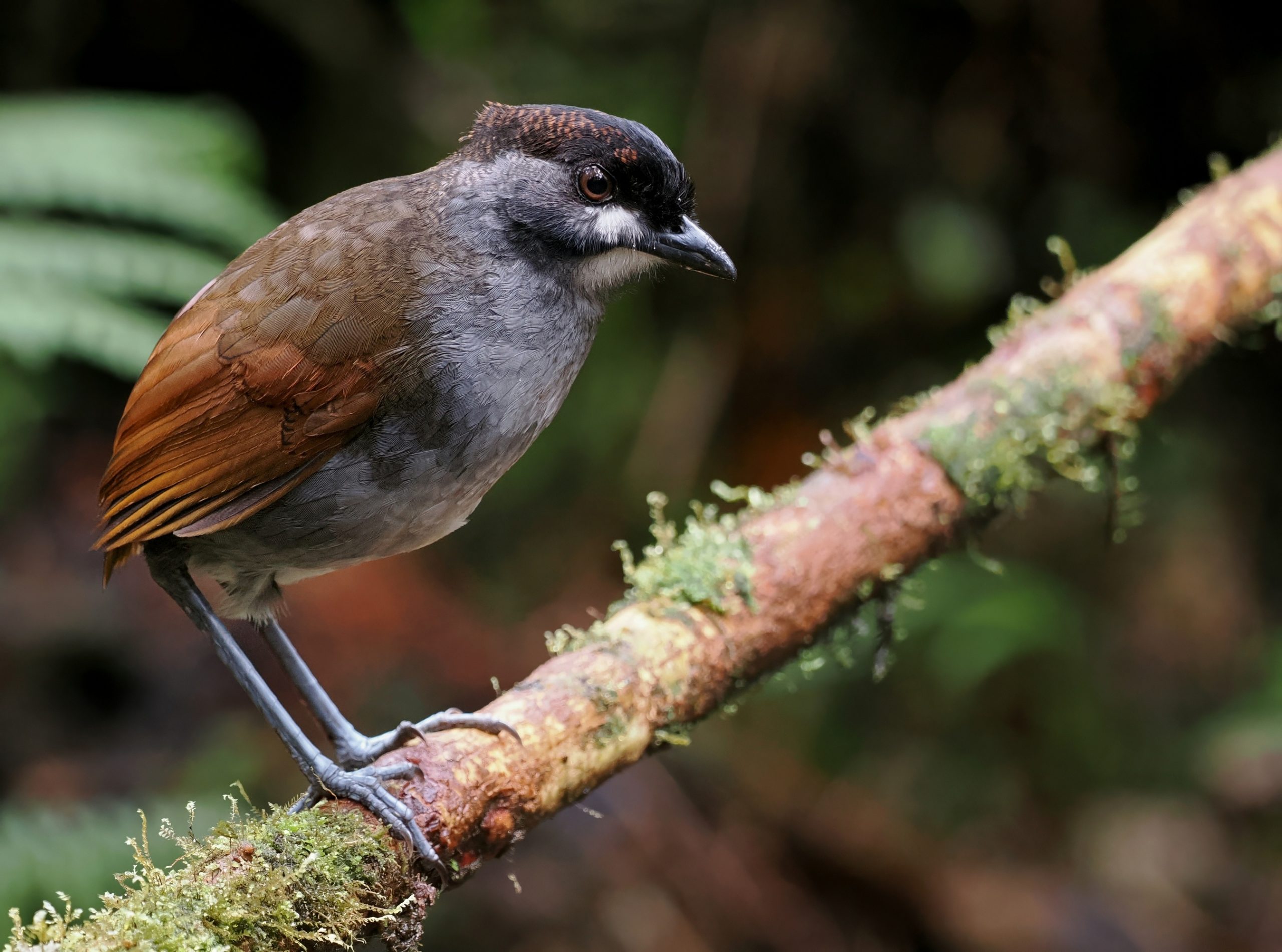
Managed by Fundación Jocotoco, these reserves protect remnants of the endangered Tumbesian dry forest, which extends into northern Peru. Endemics and specialties include: Gray-breasted Flycatcher (Lathrotriccus griseipectus), Ecuadorian Piculet (Picumnus sclateri), Pale-browed Tinamou (Crypturellus transfasciatus), White-tailed Jay (Cyanocorax mystacalis); Whatkins´s Antpitta, Blackish-headed Spinetail, Gray-breasted Flycatcher, Tumbes Hummingbird. Jorupe is also great for hawks, owls, while Utuana, at higher elevation, is excellent for some hummingbirds such as Rainbow Starfrontlet, Purple-throated Sunangel and the iconic Piura Hemispingus. Chapman´s Antshrike; Black-cowled Saltator,

Loja and Podocarpus National Park
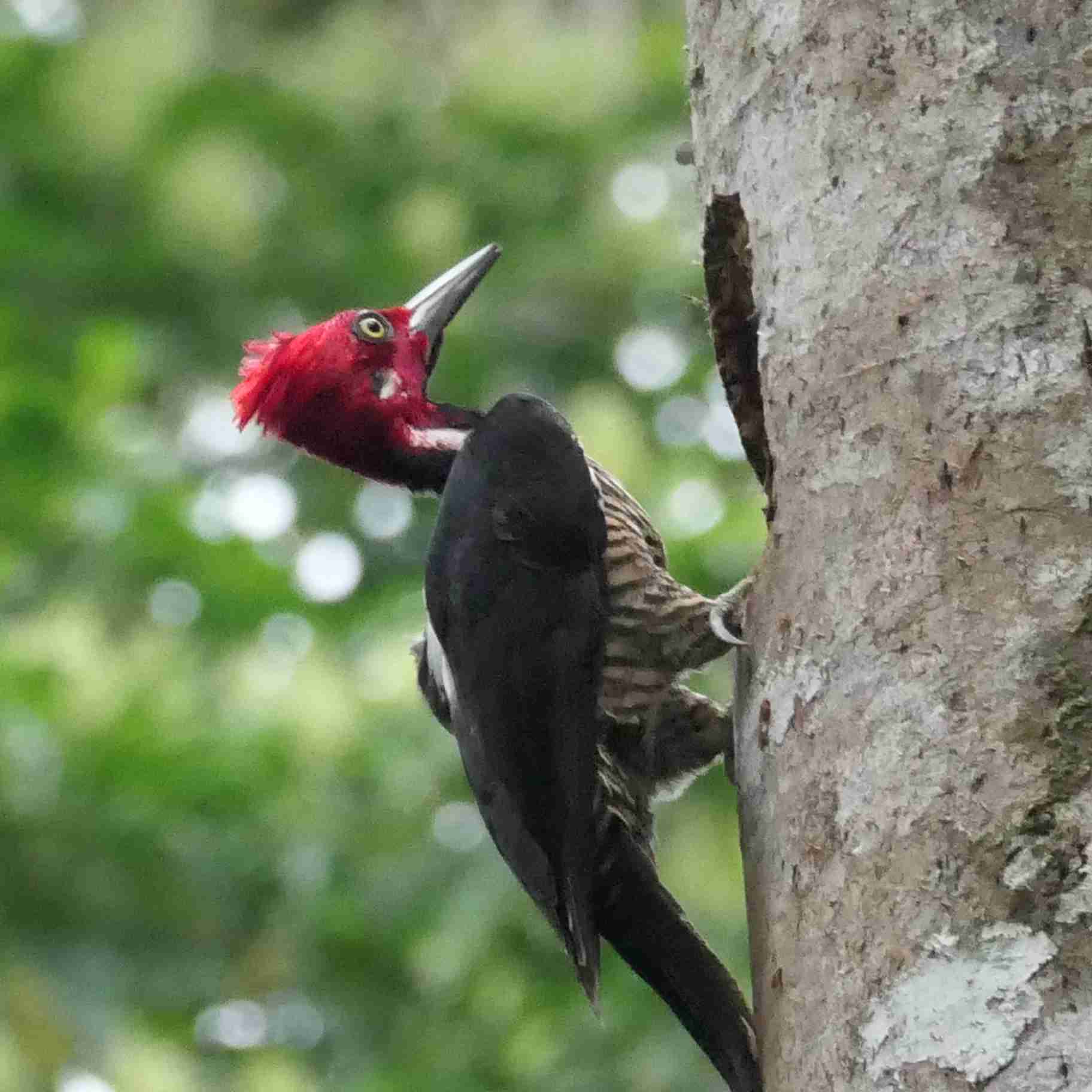
The Podocarpus National Park is the crown jewel of birding in southern Ecuador. Covering elevations from 1,000 to 3,600 meters, it hosts more than 600 bird species.
The Cajanuma sector offers access to high-elevation cloud forests and páramo, Highlights include: Little Sunangel, Bearded Guan, Crested Quetzal, Golden-crowned Tanager, Hooded – Mountain Tanager,
While the Bombuscaro sector (near Zamora) is famous for lowland specialties and mixed flocks: Paradise Tanager, Orange-eared Tanager, Golden-eared Tanager, Yellow-bellied Tanager, Fulvous-shrike Tanager, Spotted Tanager, Foothill Elaenia, Andean Motmot, Blue-crowned Mamakin, Western Striped Manakin.
Tapichalaca Reserve & Casa Simpson
World-renowned as the home of the rare Jocotoco Antpitta (Grallaria ridgelyi), discovered only in 1997. Feeders at the reserve make it possible to see this elusive species up close, along with Chestnut-naped Antpitta, Rufous-headed Pygmy-Tyrant, and Barred Fruiteater.This private reserve preserves cloud forest and páramo ecosystems.
Tapichalaca is famous for the Jocotoco Antpitta, as well as the Golden-plumed Parakeet and Plate-billed Mountain-Toucan. Birding along its trails allows close-up photography of hummingbirds, tanagers, and other highland species. Comfortable lodge accommodations make your stay restful and convenient.
Cerro Toledo
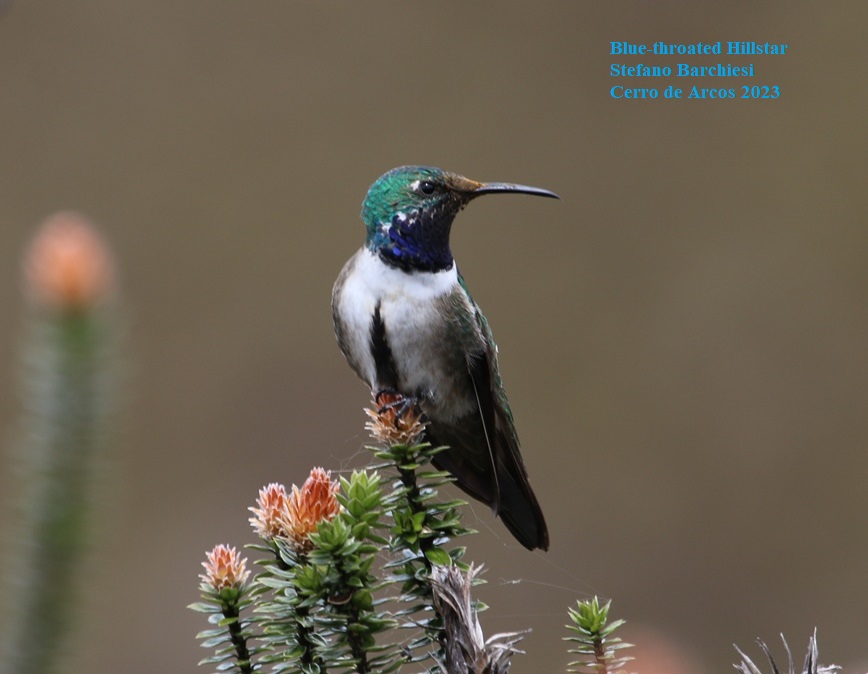
At over 3,000 meters, Cerro Toledo features cloud forest and páramo with panoramic Andean views. Here we look for rare hummingbirds like the Neblina Metaltail, highland tanagers. Moderate hikes provide rewarding birding and photography experiences.
Acacana.
Located near the town of Saraguro, Acacana rises from 2,600 to 3,000 meters with cloud forest habitat. It is home to the Crescent-faced Antpitta, Chestnut-bellied Cotinga, and other rare species. This magical forest is ideal for bird photography and birdwatching, offering close encounters with elusive Andean birds.
Copalinga Reserve.
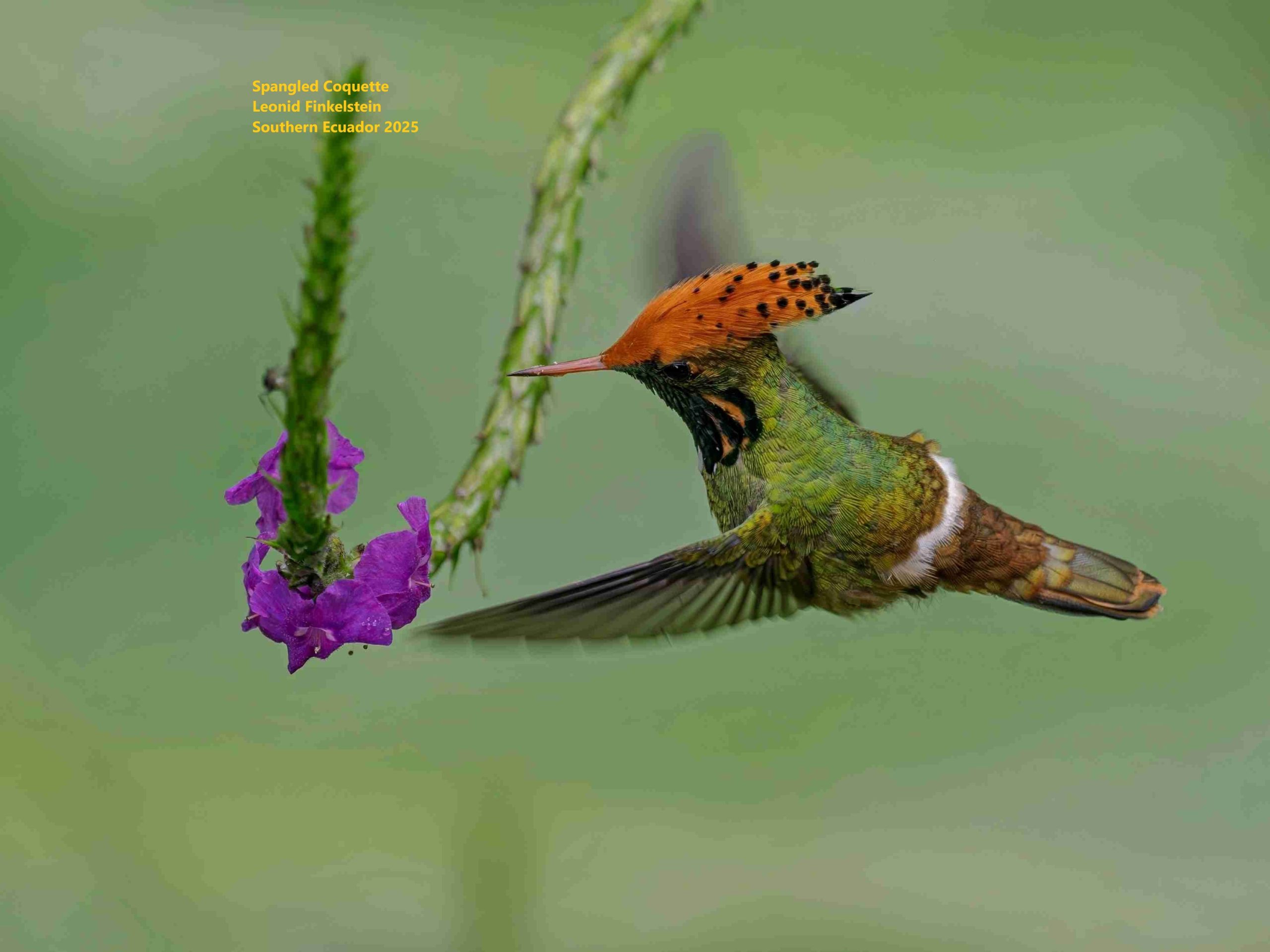
Near Zamora, Copalinga Reserve is famous for its hummingbird feeders, where species like the Spangled Coquette and Violet-headed Hummingbird are regular visitors. Forest trails provide encounters with antbirds, manakins, and tanagers.
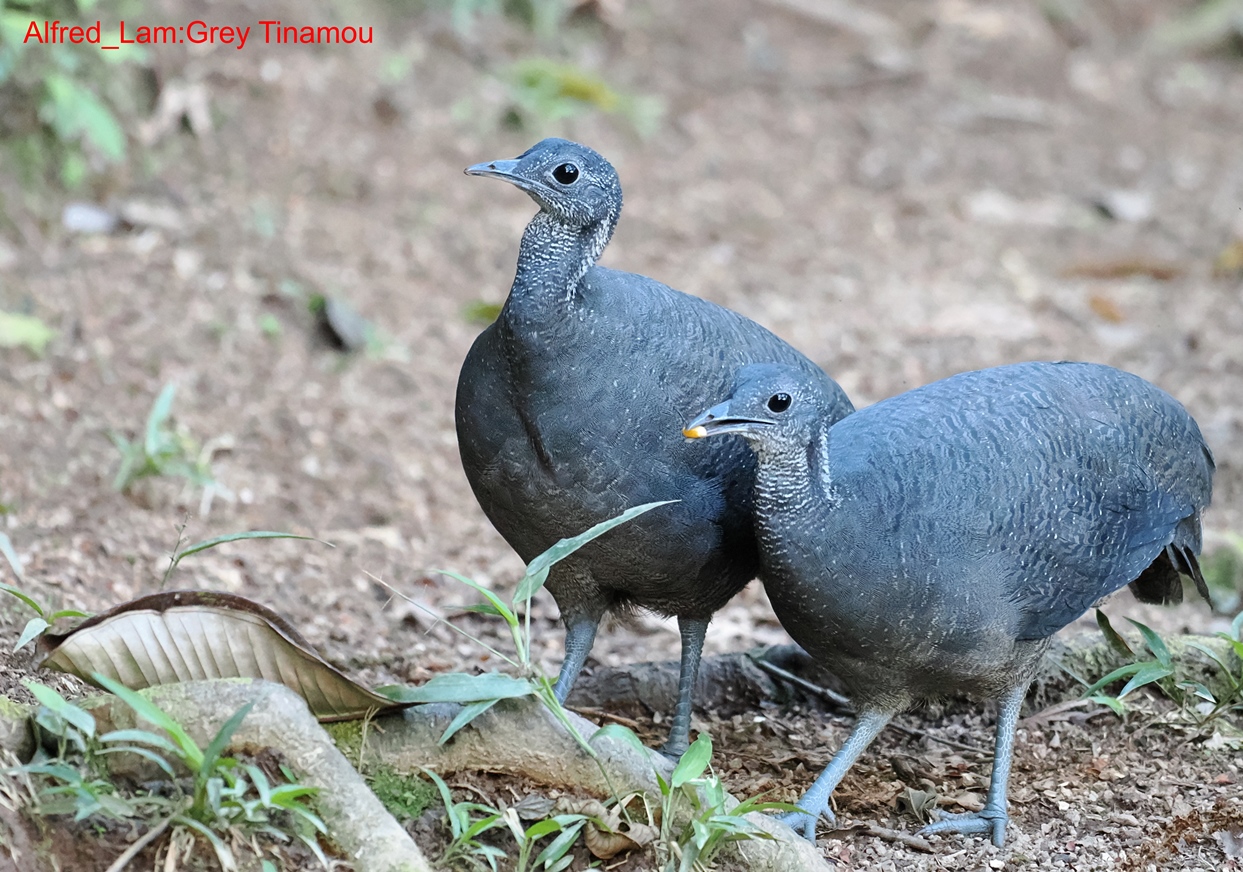
Other birds include: Gray Tinamou, Blackish Nightjar, Wire-crested Torntail, Black-streaked Puffbird, lanceolated Monklet, Andean cock-of-the Rock, Amazonian Umbrellabird, Andean Motmot, Coppery-chested Jacamar.
Further south, the El Zarza Reserve (Paquisha sector) of Podocarpus offers access to higher montane forest and páramo species, such as: Band-bellied Owl, Equatorial Graytail,
Nangaritza Valley & Maycú Reserve
The Nangaritza River Valley, bordering the Cordillera del Cóndor, is one of Ecuador’s most remote birding frontiers. The Maycú Reserve protects vast areas of pristine forest, with specialties such as: Orange-throated Tanager (Wetmorethraupis sterrhopteron) – a true “holy grail” bird, only found in this region. Spot winged Parrotlet – rare. Equatorial Graytail (Xenerpestes singularis). Gray-tailed Piha. Gilded barbet, Green-backed Trogon, Amazonian Trogon (Trogon ramonianus), Blue-crowned Trogon, Collared Trogon, Bluish-fronted and Purplish Jacamars, Foothill Schiffornis (easter foothill – Schiffornis aenea) and many Anbirds, anrshrikes, Antwrens.
Birding along the Nangaritza River often produces, toucans, manakins, and mixed flocks, making it an unforgettable experience for adventurous birders.


Best Time to Visit
Birdwatching in southern Ecuador is productive year-round. However:
October to January: excellent for migrants and clear skies.
February to April: wetter months, but forests are more active.
May to September: drier, with easier access to higher elevations.
Plan Your Birdwatching Trip
Whether you’re seeking endemics of the Tumbesian region, colorful tanagers of Podocarpus, or the rare specialties of the Cordillera del Cóndor, southern Ecuador is a must-visit for birders.
At Exploraves (ExplorBirds we specialize in custom birdwatching and photography tours, designed for birders of all ages and experience levels. From single-day trips to multi-week expeditions, we ensure your journey is safe, enjoyable, and filled with lifers.
 Contact us today to start planning your birding adventure in southern Ecuador.
MORE INFORMATION
whatsapp: +593981286507
07 – 2582434
avearatinga@yahoo.es
info@exploraves.com